On 29-30 January Rosaleen Duffy took part in the International Workshop on Ecocide Law and Climate Litigation at the Humanities Centre for Advanced Studies “Futures of Sustainability” programme, University of Hamburg. She presented a paper on the risks and limits of the term ecocide, by drawing on lessons from biodiversity conservation. This included the idea of how a harms based political ecology could be used to analyse environmental crimes in a way that addresses the full impact on non-human animals.

The first day focused on explaining and charting the rise in climate litigation cases. The second day examined the debates on ecocide and its limitations.
The full programme from the workshop is here
Rosaleen’s paper was entitled ‘Centring Animals in Ecocide: Lessons from biodiversity conservation for climate breakdown’
Abstract
In this paper I examine ecocide by centring animals in the analysis; the aim is to develop our thinking around how the term is used in relation to multiple and overlapping planetary crises, including climate change and biodiversity loss. Eckersely (2007) has raised the possibility of an international court to determine crimes of ecocide against wildlife, but in this paper I want to expand that idea to draw out the lessons from wildlife conservation for debates on ecocide: what happens to how we understand ecocide if we centre non-human animals (and specifically wildlife)? Do we need a multispecies approach that highlights human- animal relations? What are the potential risks and omissions that using the term ecocide creates?
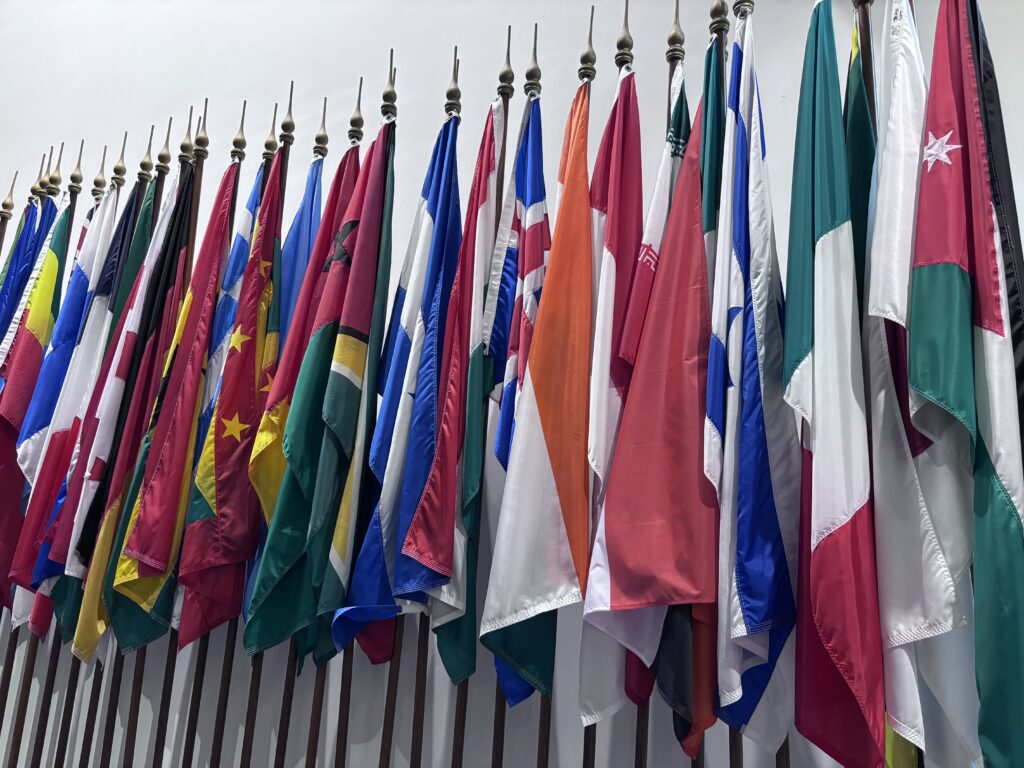
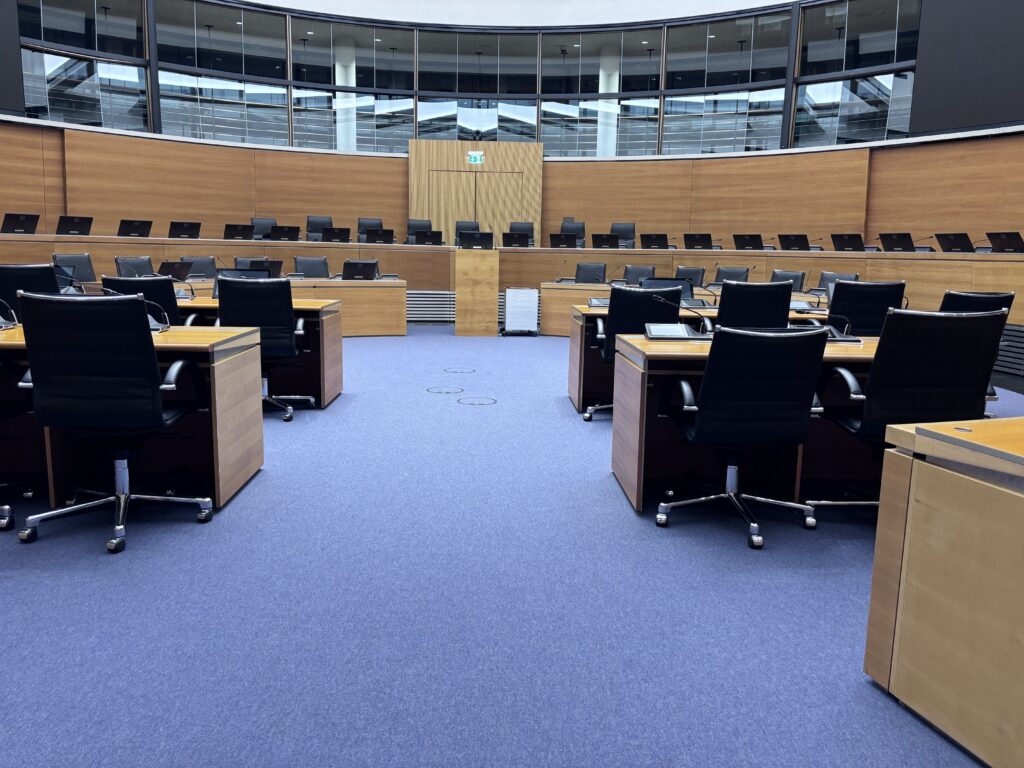
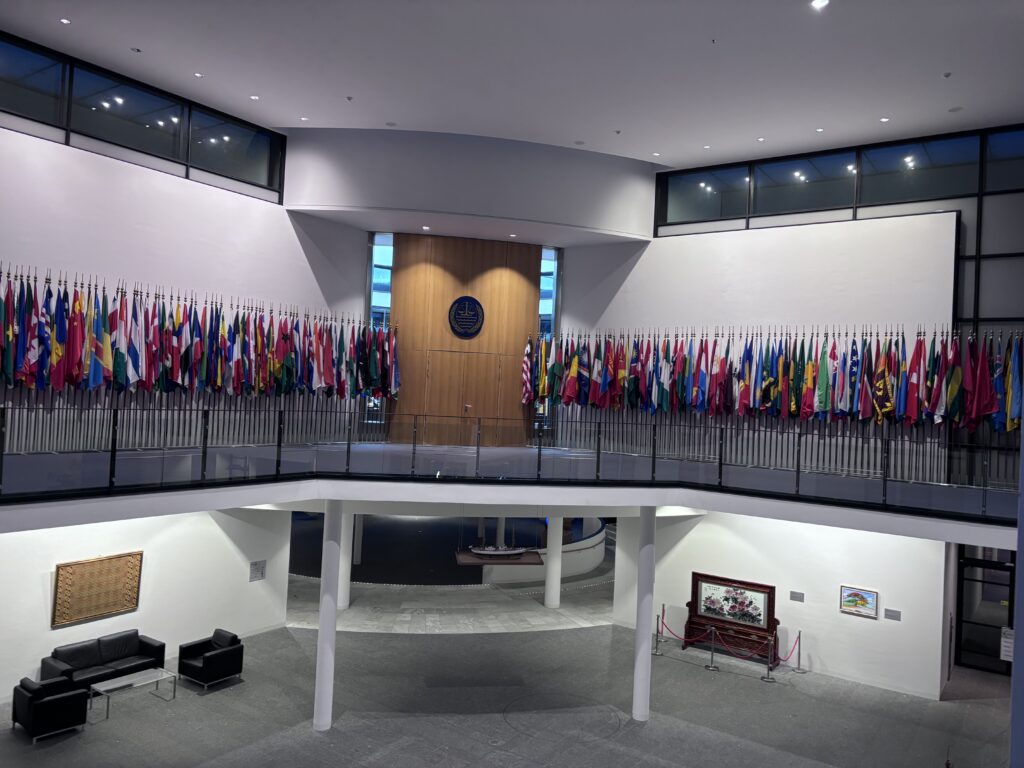
The first day of the workshop also included a visit to the offices of the UN Tribunal for the Law of the Sea. This provided a fascinating insight into how international organisations resolve disputes related to the environment.
A very big thank you to Dr Juneseo Hwang for the invitation